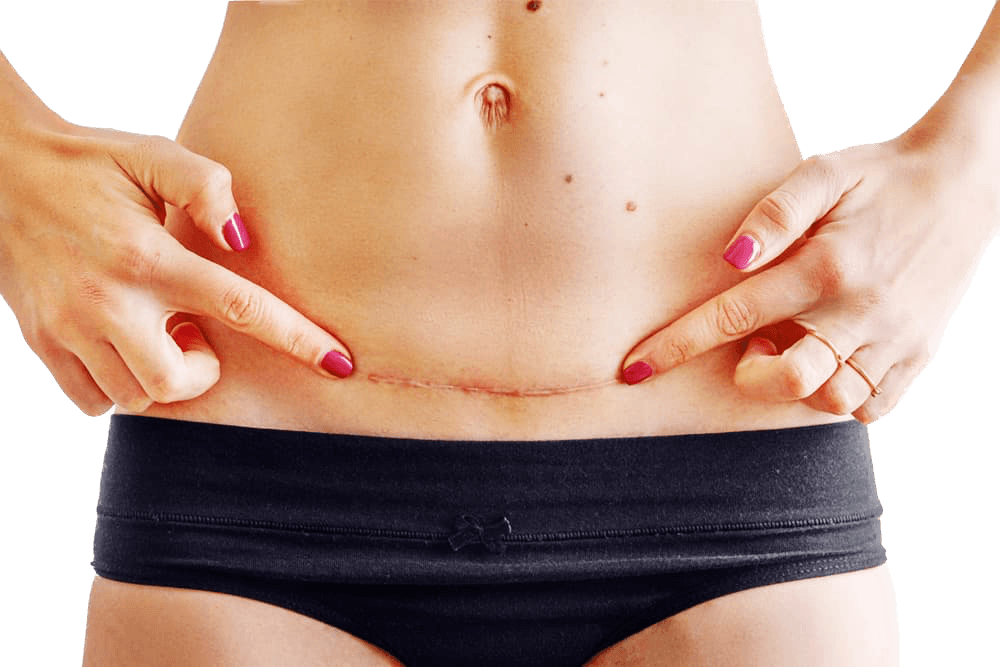
Scars and stretch marks are different conditions. A scar may follow surgery, injury, burns or inflammation, and treatment depends on whether it is flat, depressed, raised, red, pigmented, firm or symptomatic.
Scar types
Atrophic scars sit below surrounding skin, hypertrophic scars remain raised within the original wound, and keloids may extend beyond the wound edges. These patterns require different approaches.
When should a scar be assessed?
New scars change over many months. Early review is useful when a scar becomes increasingly raised, painful, itchy, tight or functionally limiting.
Treatment options
Depending on the scar, management may include silicone-based care, intralesional treatment, vascular laser, fractional resurfacing, microneedling or RF microneedling. Laser is not automatically appropriate for every scar.
Fractional laser
Fractional CO2 laser can be considered for selected mature structural scars. Skin type, pigment risk, scar depth and healing history influence settings and recovery.
Raised scars and keloids
These should be identified before aggressive procedures because excessive trauma may worsen keloid-prone scars.
Scar versus stretch mark
Stretch marks are dermal striae rather than classic wound scars. See Stretch Marks Treatment for that topic. Acne scars have their own page: Acne Scar Treatment.
What Affects Scar Treatment Cost in Izmir?
Scar treatment cost depends on the scar type, size, age and location and on the treatment method that is medically appropriate. A raised hypertrophic or keloid scar, a depressed scar, a surgical scar and a broad traumatic scar can require very different procedures and follow-up schedules.
The size of the treated area, laser or RF protocol, need for intralesional treatment or other scar-specific procedures, anesthesia, number of sessions and whether treatment is staged can all influence the overall treatment scope. Some scars require medical management rather than repeated resurfacing, so a single laser-session price may not represent the appropriate plan.
Personal cost information is provided after the scar type, treatment goal and required method are determined during dermatologic assessment.
Realistic expectations
The goal is usually improvement in texture, colour, height or symptoms rather than complete removal.
This page provides general medical information and does not replace individual dermatologic assessment.
Surgical scars, traumatic scars, hypertrophic scars and keloids are different scar patterns
Scar treatment is not one protocol. Flat scars with color change, depressed atrophic scars, raised hypertrophic scars and keloids that extend beyond the original wound behave differently. Fractional laser, silicone, injections and other approaches are selected according to scar type, age, color, thickness and location.