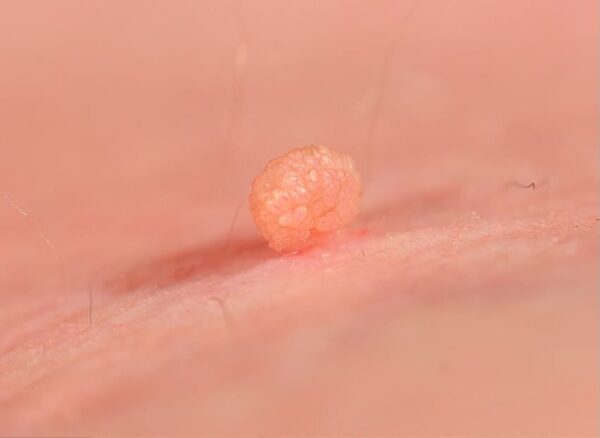
Wart treatment includes medical and procedural methods used to remove skin lesions caused by human papillomavirus (HPV). Treatment targets visible warts and related symptoms. Removing a lesion does not guarantee eradication of HPV from the surrounding skin or prevent recurrence.
HPV-related lesions can appear in different forms depending on the virus type and location. Early evaluation can help confirm the diagnosis, guide lesion-directed treatment and reduce avoidable transmission risk. Recurrence can still occur because treating visible warts does not reliably eradicate HPV from surrounding skin.

What Are Warts?
Warts are benign skin growths caused by infection with human papillomavirus (HPV). The virus enters the skin through small cuts or abrasions and leads to localized thickening of the skin.
Warts may appear on the hands, feet, face or genital area. Their appearance and behavior vary depending on the HPV subtype and immune response.
HPV and Wart Formation
HPV is a group of viruses that infect the skin and mucous membranes. Some types cause common skin warts, while others are associated with genital warts.
The virus spreads through direct contact or contaminated surfaces. Factors such as weakened immunity, skin damage and close contact increase the risk of transmission.
Types of Warts
Warts can present in different forms:
- Common warts: Usually found on hands and fingers
- Plantar warts: Located on the soles of the feet
- Flat warts: Smaller and smoother, often on the face
- Genital warts: Occur in the genital or anal region
Genital warts require a different evaluation approach because sexual transmission, mucosal involvement, partner considerations and appropriate screening may be relevant. They should not be managed as if they were identical to common hand or foot warts.
Wart Treatment Options
Wart treatment depends on the location, size, number of lesions and patient factors. Some warts may resolve spontaneously, while others require medical or procedural intervention.
Medical Treatments
- Topical solutions
- Immune-modulating treatments
- Prescription medications
Procedural Wart Removal
- Laser wart removal
- Cryotherapy (freezing) — a general wart-treatment option; it is not performed in Dr. Orhan Demirer’s clinic
- Cauterization
- Minor surgical removal
The choice of method depends on lesion type, location, number, previous treatments, immune status and the need to minimize scarring or pigment change. Wart treatment is a clinical dermatology issue rather than an aesthetic package.
Laser Wart Removal
Laser wart removal is one of the commonly used methods for resistant or recurrent warts. It works by targeting the affected tissue and destroying viral-infected cells.
This method may be preferred for certain areas where precision is important or when other treatments have not been effective.

Who Is a Good Candidate?
Wart treatment is suitable for patients with visible lesions, discomfort, spreading warts or cosmetic concerns.
- Patients with persistent warts
- Patients with spreading lesions
- Patients with genital warts
- Patients with treatment-resistant warts
Benefits of Wart Treatment
- Removal of visible lesions
- Reduction in viral spread
- Improved skin appearance
- Symptom relief (pain or irritation)
- Recurrence can still occur even after appropriate treatment, so follow-up and management of contributing factors may be important.
Treatment Process
Wart treatment begins with evaluation of lesion type and location. The most appropriate removal method is then selected.
- Consultation: Examination of warts
- Diagnosis: Determination of wart type
- Treatment: Medical or procedural removal
- Follow-up: Monitoring healing and recurrence
Recovery and Results
Recovery depends on the treatment method. Some procedures may cause mild redness, crusting or temporary sensitivity.
Warts may recur due to viral persistence. Multiple sessions or combined treatments may be necessary in some cases.
HPV and Recurrence Risk
HPV can remain in the skin even after visible warts are removed. This is why recurrence is possible.
Recurrence varies with HPV type, lesion location, treatment method and the individual immune response. Follow-up can help detect new lesions early, but no supplement or routine can guarantee that warts will not return.
Wart Treatment in Izmir
Patients searching for wart treatment Izmir often want effective removal and low recurrence risk. The most important factor is selecting the appropriate method based on lesion type.
A personalized approach helps improve outcomes and reduce complications.
Clinical examination helps distinguish a wart from other keratotic, pigmented or inflammatory lesions and determines whether dermoscopy, biopsy or another form of assessment is needed before treatment.
Wart Treatment Cost in Izmir: What Affects the Price?
Wart treatment cost varies because a single small wart and multiple or recurrent lesions do not require the same clinical plan.
- Number of lesions: treating one lesion differs from treating multiple warts in one or more areas.
- Location and size: hand, foot, face and genital-area lesions can require different techniques, anesthesia and aftercare.
- Treatment method: topical treatment, cauterization, laser or another appropriate method have different procedural requirements.
- Previous treatment and recurrence: resistant or recurrent warts may need a different strategy or more than one treatment session.
- Diagnostic needs: if the lesion is atypical or the diagnosis is uncertain, dermoscopic assessment, biopsy or another diagnostic step may be needed before removal.
- Follow-up: healing review and recurrence monitoring may be part of the overall treatment plan.
A meaningful price comparison should therefore consider the diagnosis, lesion count, location, selected method and follow-up rather than comparing a single “wart removal price.”
HPV infection and visible warts are not the same thing
Human papillomavirus (HPV) includes many viral types. Common hand and foot warts, genital warts and high-risk anogenital HPV types belong to different clinical contexts. A person may carry HPV without having a visible wart, and the appearance of a wart does not identify the HPV risk category by itself.
Treatment choice depends on wart type, location, number, thickness and recurrence history rather than on a single universal “wart removal” method.
Frequently Asked Questions
What causes warts?
Warts are caused by human papillomavirus (HPV) infection.
Are warts contagious?
Yes, they can spread through direct contact or shared surfaces.
Can warts go away on their own?
Some warts may resolve spontaneously, but many require treatment.
What is the best wart treatment?
The best method depends on wart type and location. Laser, cryotherapy or medical treatments may be used.
Do warts come back after treatment?
Recurrence is possible because HPV may remain in the skin.
Is wart removal painful?
Discomfort depends on the method used. Most procedures are well tolerated.
Is genital wart treatment different?
Yes, genital warts require specific evaluation and treatment approaches.
Appointment and Treatment Planning
Wart treatment should be planned individually according to lesion type, location and patient factors. A consultation helps determine the most appropriate approach.
Treatment planning should be individualized. Current clinical and appointment information for Dermatology Specialist Dr. Orhan Demirer in Izmir is maintained on the official clinic website, orhandemirer.com.