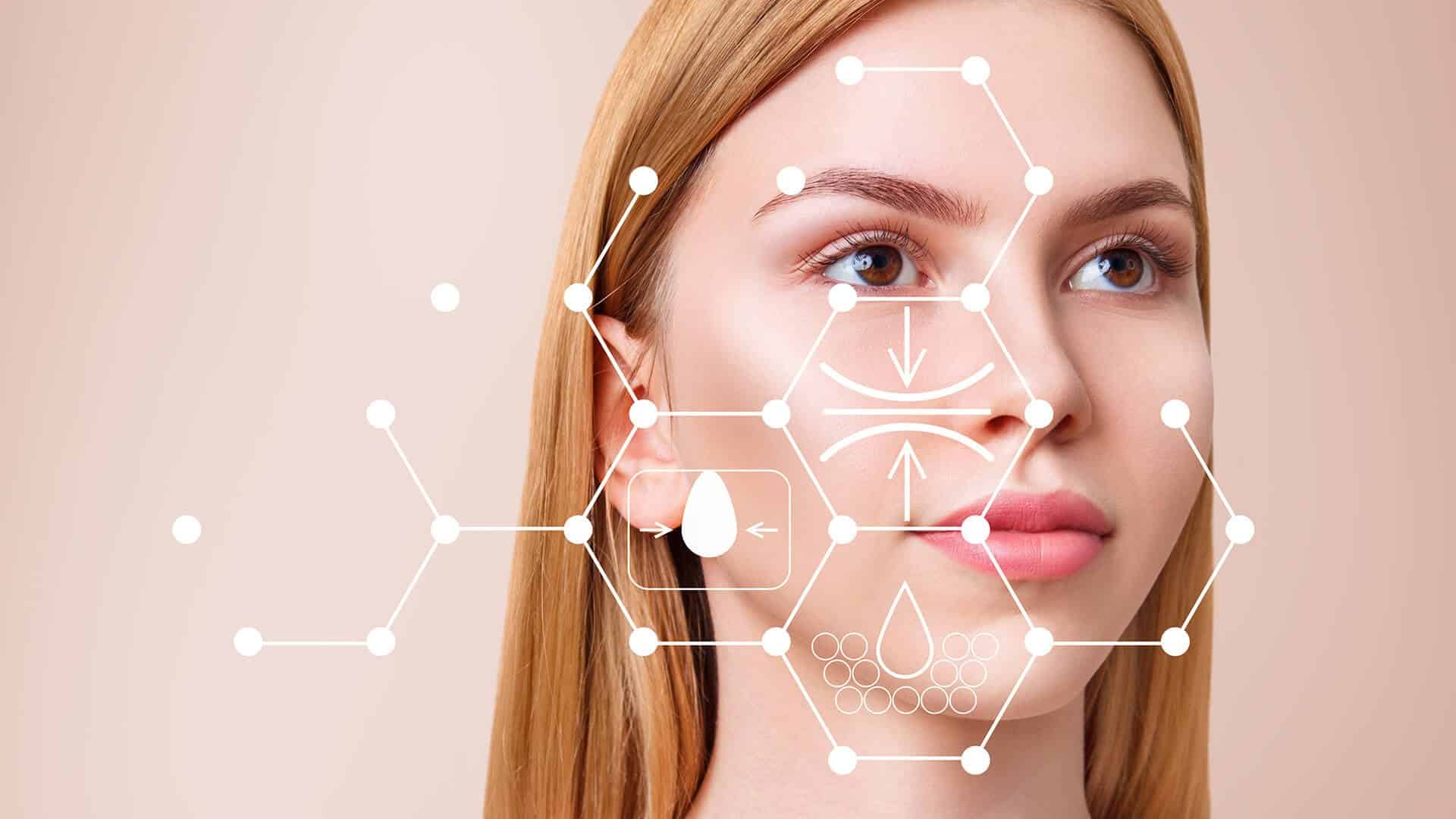
Aesthetic dermatology focuses on improving skin quality, facial balance and visible signs of aging through medically guided, non-surgical treatments. The goal is not to change the face dramatically, but to support a fresher, healthier and naturally balanced appearance.
Modern aesthetic dermatology includes skin rejuvenation, anti aging treatments, Botox, dermal fillers, laser procedures, collagen stimulation and medical skin care. Each treatment should be selected according to skin type, facial anatomy, age, expectations and medical suitability.
What Is Aesthetic Dermatology?
Aesthetic dermatology is a medical field that uses dermatological knowledge to improve skin appearance, facial harmony and age-related changes. Unlike beauty treatments that focus only on the surface, cosmetic dermatology evaluates the skin, facial structure, muscles, volume loss and collagen quality together.
Treatment planning may include injectables, laser technologies, energy-based devices, collagen-stimulating procedures and medical skin care. A personalized approach is essential because every face ages differently and every skin type responds differently.
Main Aesthetic Dermatology Treatments
Aesthetic dermatology treatments can be grouped into several categories: wrinkle relaxation, volume restoration, skin rejuvenation, tightening, pigmentation correction, scar improvement and long-term skin quality support.

Botox Treatments
Botox may help soften dynamic wrinkles caused by facial expressions, especially on the forehead, between the eyebrows and around the eyes.
Dermal Fillers
Dermal fillers may restore lost volume, improve facial contours and support a more balanced appearance when used carefully.
Laser Skin Rejuvenation
Laser treatments may improve uneven tone, texture, pigmentation, redness, fine lines and general skin quality.
How Aesthetic Dermatology Works
Aesthetic dermatology works by targeting different layers of the skin and facial structure. Some treatments relax overactive muscles, some restore volume, while others stimulate collagen production or renew the skin surface.
For example, Botox works on muscle activity, dermal fillers work on volume and contour, while laser and radiofrequency treatments focus on collagen, texture and skin quality. In many cases, a combined but conservative plan gives a more natural result than relying on a single procedure.
Who Is a Good Candidate?
A good candidate for aesthetic dermatology is someone who wants natural improvement rather than an exaggerated change. Suitable candidates may have early or moderate signs of aging, volume loss, wrinkles, acne scars, pigmentation, redness, enlarged pores, skin laxity or dull skin quality.
- Patients who want natural-looking facial rejuvenation
- Patients with fine lines, wrinkles or expression lines
- Patients with volume loss or facial contour concerns
- Patients with acne scars, pores or uneven texture
- Patients with pigmentation, redness or dull skin tone
- Patients interested in non-surgical anti aging treatments
Not every treatment is suitable for every patient. Pregnancy, breastfeeding, certain medications, active skin infections, autoimmune conditions or unrealistic expectations may affect treatment suitability.
Benefits of Aesthetic Dermatology
The main benefit of aesthetic dermatology is that treatments can be planned medically and individually. Instead of applying a standard beauty procedure, a dermatologist evaluates the skin and facial structure before recommending a treatment.
- Natural-looking rejuvenation
- Improved skin texture and brightness
- Reduction in fine lines and wrinkles
- Better facial balance and contour
- Support for collagen production
- Non-surgical or minimally invasive options
- Personalized treatment planning
Popular Treatment Areas
Upper Face
Forehead lines, frown lines and crow’s feet may be treated with Botox when muscle activity is the main cause.
Midface
Cheek volume, under-eye hollowness and facial tiredness may be evaluated for filler or skin quality treatments.
Lower Face
Jawline, chin, nasolabial folds and marionette lines may require structural assessment before filler planning.
Skin Quality
Texture, pores, scars, pigmentation and dullness may benefit from lasers, RF microneedling, PRP or skin boosters.
Laser and Energy-Based Skin Rejuvenation
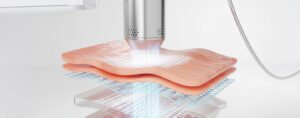
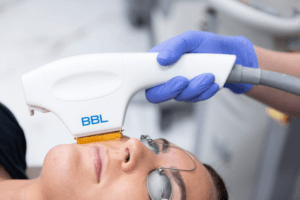
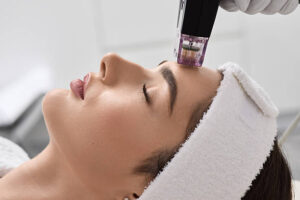
Skin rejuvenation treatments are important in aesthetic dermatology because they improve the skin itself rather than only changing facial shape. Laser and energy-based procedures may target collagen, pigmentation, vascular redness, scars and skin texture.
Treatment Process
The treatment process begins with a dermatological consultation. Skin type, facial anatomy, aging pattern, medical background and expectations are evaluated. After this assessment, suitable options are explained and a personalized plan is created.
- Consultation: Skin and facial structure are assessed.
- Treatment selection: Suitable procedures are chosen according to the concern.
- Planning: Session number, timing and recovery expectations are discussed.
- Procedure: Treatment is performed with appropriate technique and safety measures.
- Follow-up: Results and skin response are evaluated when necessary.
Recovery and Results
Recovery depends on the treatment. Botox and filler procedures usually involve minimal downtime, although temporary redness, swelling or bruising may occur. Laser and resurfacing treatments may require more recovery time depending on treatment depth.
Results also vary by procedure. Botox effects usually appear gradually, fillers may show visible improvement earlier, while collagen-stimulating treatments and laser procedures often develop over weeks or months. A realistic timeline should be discussed before treatment.
Aesthetic Dermatology in Izmir
Patients looking for aesthetic dermatology Izmir options often search for natural results, safe treatment planning and a medical approach. In Izmir, aesthetic procedures should still be evaluated as medical treatments, especially when injectables, lasers or energy-based devices are involved.
A conservative and balanced plan can help preserve facial identity while improving signs of aging, skin quality and overall freshness.
Frequently Asked Questions
What is aesthetic dermatology?
Aesthetic dermatology is a medical approach to improving skin quality, facial balance and signs of aging using procedures such as Botox, dermal fillers, lasers, microneedling, PRP, mesotherapy and medical skin care.
Is aesthetic dermatology the same as cosmetic dermatology?
The terms are often used similarly. Cosmetic dermatology usually refers to procedures that improve appearance, while aesthetic dermatology emphasizes medical evaluation, skin health and natural-looking treatment planning.
Which treatment is best for anti aging?
There is no single best anti aging treatment for everyone. Botox may be suitable for expression lines, fillers for volume loss, lasers for skin texture and pigmentation, and collagen-stimulating treatments for skin quality.
Can aesthetic treatments look natural?
Yes. Natural results depend on correct patient selection, conservative planning, anatomical knowledge and avoiding excessive treatment.
How often should skin rejuvenation treatments be done?
Frequency depends on the treatment type, skin condition and goals. Some treatments are performed as a series, while others may be repeated periodically for maintenance.
Is there downtime after aesthetic dermatology treatments?
Downtime varies. Botox and fillers usually have minimal downtime, while fractional laser or deeper resurfacing treatments may require several days of recovery.
Can Botox, fillers and lasers be combined?
Yes, combination plans may be useful when different concerns exist at the same time. However, timing and treatment order should be planned carefully.
Who should avoid aesthetic dermatology procedures?
Patients with active infections, certain medical conditions, pregnancy, breastfeeding or unrealistic expectations may not be suitable for some procedures. A medical consultation is necessary.
Appointment and Treatment Planning
Aesthetic dermatology treatments should be selected after a detailed evaluation rather than based only on trends. The most suitable plan depends on skin type, facial anatomy, aging pattern and personal expectations.
Treatment planning should be performed individually. In our clinic, procedures are carried out by Dr. Orhan Demirer in Izmir.
You can click here to return to the homepage.