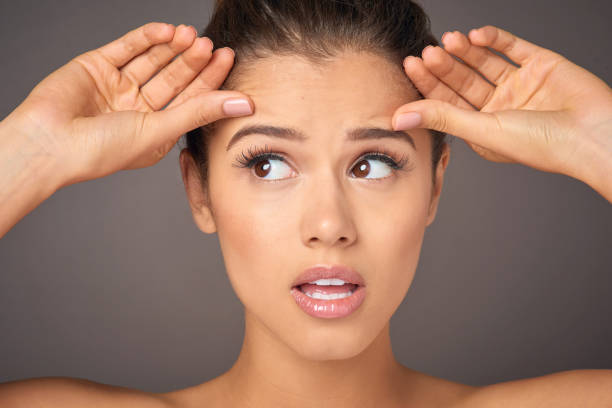
Botox treatment is a widely used medical and aesthetic procedure that helps reduce dynamic wrinkles and manage certain functional conditions by temporarily relaxing targeted muscles. It is commonly preferred for both facial rejuvenation and specific medical indications when planned correctly.
Understanding how botox treatment works, where it is applied, how long results last and what safety considerations are involved is essential before deciding on the procedure. Treatment planning should always be based on individual facial structure, muscle activity and medical evaluation.
What Is Botox Treatment?
Botox treatment involves the use of botulinum toxin to temporarily reduce muscle activity in targeted areas. This helps soften dynamic wrinkles caused by repeated facial expressions such as frowning, smiling or squinting.
In addition to aesthetic use, Botox may also be used for medical purposes such as excessive sweating, teeth grinding or migraine management. The effect is temporary and gradually wears off as muscle activity returns.
How Botox Treatment Works
Botox works by blocking the nerve signals that cause muscle contraction. When the muscle activity is reduced, the overlying skin appears smoother and expression lines become less visible.
The goal is not to eliminate all movement, but to control excessive muscle activity while preserving natural facial expressions. Over-treatment or incorrect dosing may lead to an unnatural appearance, which is why treatment planning is critical.
Botox Areas
Botox can be applied to different areas of the face and body depending on the indication. Each area requires specific technique and dosage.
Forehead Lines
Horizontal lines caused by eyebrow elevation may be softened with controlled Botox application.
Frown Lines (Glabella)
Vertical lines between the eyebrows caused by frowning can be reduced.
Medical Uses of Botox
Botox is not only used for aesthetic purposes. It may also be applied in selected medical conditions where muscle overactivity plays a role.
- Excessive sweating (hyperhidrosis)
- Chronic migraine
- Teeth grinding (bruxism)
- Gummy smile correction
These applications should be evaluated individually based on medical history and diagnosis.
Who Is a Good Candidate?
Botox treatment may be suitable for individuals who have dynamic wrinkles or muscle-related concerns. It is generally preferred by patients who want a natural-looking improvement without surgery.
- Patients with expression lines
- Patients seeking preventive anti aging treatments
- Patients with excessive sweating or bruxism
- Patients who prefer non-surgical solutions
Patients who are pregnant, breastfeeding or have certain neuromuscular conditions may not be suitable candidates.
Botox Results
Botox results typically begin to appear within a few days and gradually improve over the following weeks. The treated area looks smoother, while facial expression remains natural when the treatment is properly planned.
The duration of effect usually ranges between 3 to 6 months depending on muscle strength, metabolism and treatment area.
Recovery and Aftercare
Botox treatment usually requires minimal downtime. Patients can return to daily activities shortly after the procedure. Mild redness or swelling at injection points may occur temporarily.
- Avoid touching or massaging the area immediately after treatment
- Remain upright for a few hours
- Avoid intense exercise on the same day
- Follow aftercare instructions provided during consultation
Botox Safety
Botox is considered safe when used appropriately in correct doses by trained medical professionals. Safety depends on accurate diagnosis, proper technique, correct dosage and appropriate patient selection.
Side effects are generally mild and temporary. However, improper application may lead to asymmetry or undesired results, which highlights the importance of medical evaluation before treatment.
Botox vs Dermal Fillers
Botox and dermal fillers are often confused but they serve different purposes. Botox reduces muscle activity, while fillers restore volume and contour.
In many cases, combining dermal fillers with Botox may provide a more balanced result. Patients interested in overall facial rejuvenation can also explore aesthetic dermatology treatments.
Botox in Izmir
Patients searching for botox in Izmir often look for natural results, safety and proper treatment planning. The most important factor is not the location, but the accuracy of evaluation and the balance of the result.
A conservative and medically guided approach helps achieve smoother skin while preserving natural expression.
Frequently Asked Questions
What is botox treatment used for?
Botox is used for reducing dynamic wrinkles and treating conditions such as excessive sweating, migraine and teeth grinding.
How long does botox last?
Results usually last between 3 to 6 months depending on the individual and treatment area.
Does botox look natural?
Yes, when applied correctly, Botox can provide natural-looking results without freezing facial expression.
Is botox safe?
Botox is considered safe when used in appropriate doses and performed by qualified professionals.
Does botox hurt?
The procedure involves minimal discomfort and is usually well tolerated.
When will I see results?
Initial results may appear within a few days, with full effect typically seen within 1–2 weeks.
Can botox be combined with other treatments?
Yes, Botox can be combined with fillers, laser treatments and skin rejuvenation procedures depending on the treatment plan.
Appointment and Treatment Planning
Botox treatment should be planned individually based on facial anatomy, muscle activity and patient expectations. A consultation allows proper evaluation and helps determine the most suitable approach.
Treatment planning should be performed individually. In our clinic, procedures are carried out by Dr. Orhan Demirer in Izmir.
You can click here to return to the homepage.