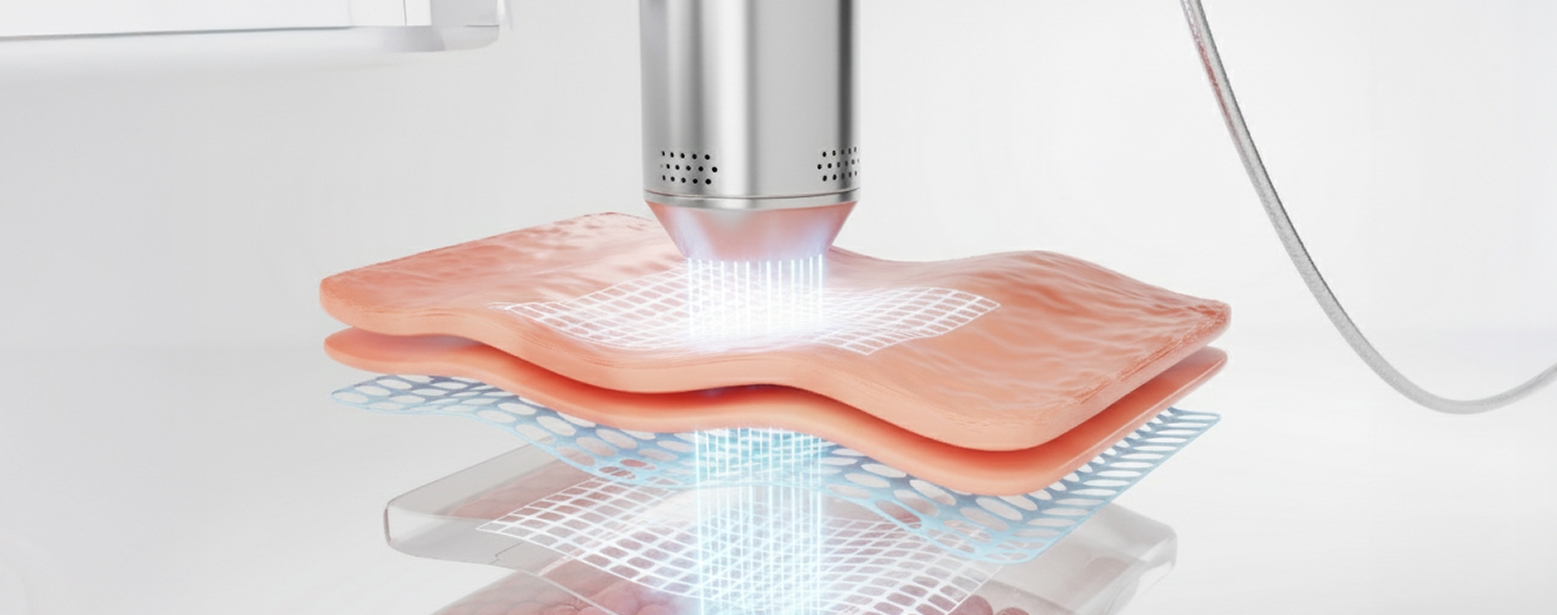
Fractional CO2 laser (CO₂ laser) laser is an advanced laser skin resurfacing treatment used to improve acne scars, wrinkles, skin texture and overall skin quality. It works by creating controlled micro-injuries in the skin to stimulate collagen production and promote natural regeneration.
As a skin rejuvenation laser procedure, fractional CO₂ laser can target multiple concerns at the same time, including acne scar laser treatment, fine lines, enlarged pores and uneven skin tone. Proper patient selection and treatment planning are essential for safe and effective results.
What Is Fractional CO₂ Laser?
Fractional CO₂ laser is a laser technology that delivers energy into the skin in a fractional pattern, meaning only a portion of the skin is treated at a time while surrounding tissue remains intact. This allows faster healing compared to traditional ablative lasers.
The treatment removes microscopic columns of damaged skin while stimulating collagen and elastin production in deeper layers. This dual effect helps improve both surface texture and deeper structural issues.
How Fractional Laser Works
The laser creates controlled thermal injury zones in the skin. These micro-injuries trigger the body’s natural healing response, leading to new collagen formation and skin renewal.
As the skin heals, texture becomes smoother, scars appear less visible and overall skin tone becomes more even. Because untreated skin remains between treated areas, healing is faster than traditional full-field laser resurfacing.
What Conditions Can It Treat?
Fractional CO₂ laser is commonly used for a range of dermatological and aesthetic concerns:
- Acne scars and post-acne texture irregularities
- Fine lines and wrinkles
- Enlarged pores
- Uneven skin tone and pigmentation
- Sun damage and photoaging
- Stretch marks (in selected cases)
- Skin laxity and rough texture
Patients interested in acne-related treatments may also explore acne and acne scar treatment for a broader approach.
Fractional CO₂ Laser for Acne Scars
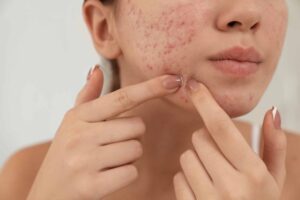
Acne scar laser treatment is one of the most common indications for fractional CO₂ laser. Acne scars often involve both surface irregularities and deeper tissue changes.
The laser helps by breaking down scar tissue and stimulating new collagen formation, which gradually improves skin texture. However, results depend on scar type, depth, skin condition and number of sessions.
Who Is a Good Candidate?
Fractional CO₂ laser may be suitable for patients who want significant improvement in skin texture, acne scars or signs of aging. It is generally preferred when more intensive skin renewal is needed compared to superficial treatments.
- Patients with acne scars
- Patients with visible wrinkles or fine lines
- Patients with rough or uneven skin texture
- Patients with sun damage or pigmentation
- Patients seeking deeper skin rejuvenation
It may not be suitable for individuals with active infections, certain skin types or medical conditions. A dermatological evaluation is required before treatment.
Benefits of Fractional CO₂ Laser
- Improves acne scars and skin texture
- Stimulates collagen production
- Reduces fine lines and wrinkles
- Enhances overall skin quality
- Targets multiple concerns in one treatment
- Provides long-term skin improvement
Treatment Process
The treatment begins with a consultation to evaluate skin type, concerns and expectations. Depending on the treatment depth, a topical anesthetic cream may be applied before the procedure.
- Consultation: Skin analysis and planning
- Preparation: Cleansing and numbing
- Laser application: Controlled energy delivery
- Post-treatment care: Cooling and skincare instructions
Recovery and Healing
Recovery after fractional CO₂ laser varies depending on the intensity of the treatment. Redness, swelling and peeling are expected as part of the healing process.
- Redness may last several days to a week
- Peeling and crusting may occur during healing
- Sun protection is essential after treatment
- Skin care routine should be followed carefully
Full recovery and visible improvement may take several weeks, while collagen remodeling continues for months.
Fractional Laser vs Other Treatments
Fractional CO₂ laser is more intensive than superficial treatments such as chemical peels or basic skin care procedures. It is often preferred when deeper correction is needed.
For patients who prefer less downtime, alternatives such as RF microneedling or laser skin rejuvenation may be considered.
In some cases, fractional laser may also be combined with Botox treatment or dermal fillers as part of a comprehensive aesthetic dermatology plan.
Fractional Laser in Izmir
Patients searching for fractional laser Izmir often look for acne scar improvement, skin resurfacing and long-term rejuvenation. The most important factor is not only the device, but the correct treatment depth, indication and aftercare.
A personalized and medically guided approach helps reduce risks and improve outcomes.
Frequently Asked Questions
Is fractional CO₂ laser painful?
Discomfort is usually controlled with topical anesthetic. Sensation may vary depending on treatment intensity.
How many sessions are needed?
This depends on the condition being treated. Some patients benefit from a single session, while others may require multiple treatments.
When will I see results?
Initial improvement may be visible after healing, but full results develop gradually as collagen production increases.
Is it safe?
Fractional CO₂ laser is safe when performed with correct settings and proper patient selection.
Can it completely remove acne scars?
Complete removal is not always possible, but significant improvement in texture and appearance can often be achieved.
Is there downtime?
Yes. Compared to lighter treatments, fractional CO₂ laser requires a recovery period due to its deeper effect.
Can it be combined with other treatments?
Yes. It may be combined with other skin treatments depending on the plan and timing.
Appointment and Treatment Planning
Fractional CO₂ laser treatment should be planned individually according to skin type, condition and expectations. A consultation helps determine the most appropriate treatment depth and protocol.
Treatment planning should be performed individually. In our clinic, procedures are carried out by Dr. Orhan Demirer in Izmir.
You can click here to return to the homepage.